The United States’ renewable energy sector, already the second largest in the world, is poised for strong growth. Bolstered by growing demand for clean energy, falling costs, and robust incentives, renewable energy is expected to become the leading source of electricity generation by the mid-2030s. By 2050, renewable energy sources are projected to provide 42 percent of the United States’ electricity compared to approximately 20 percent today.
The Inflation Reduction Act is prompting substantial investment in the United States’ economy, with a projected expenditure exceeding $1 trillion earmarked for power generation, hydrogen, and carbon capture, utilization, and storage over the next eight years.
In pursuit of decarbonization, the primary focus for spending is on non-emitting power generation. Consequently, conventional energy, manufacturing, and construction entities must rapidly expand their operations while maintaining the quality of the assets they construct. Organizations will need to devise more efficient project planning and design strategies, and the construction industry must reconsider its approach to productivity to thrive in the impending infrastructure surge.
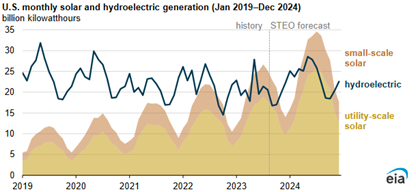
Power generated from solar installations in the US are poised to exceed the power generated by hydroelectric plants.